On this page
- Why "Holds Its Value" Is Trickier Than It Sounds
- How We Measured Value Retention
- The Ranking: Which Rolex Holds Its Value Best?
- 1. Cosmograph Daytona 126500LN: about +90%
- 2. GMT-Master II "Pepsi" 126710BLRO: about +87%
- 3. GMT-Master II "Batman" 126710BLNR: about +47%
- 4. Submariner: about +25% to +45%
- 5. Oyster Perpetual: depends heavily on the dial
- 6. Datejust 41: about +10%
- 7. Explorer 40 ref. 224270: about +4%
- 8. Sky-Dweller: around retail
- 9. Day-Date and Other Precious Metal Models: often below retail
- A Special Case: New Models Fall After the Hype
- What Makes a Rolex Hold Its Value?
- Steel Beats Gold
- Scarcity at Retail
- Discontinuation
- Retail Price Increases
- Condition and Paperwork
- Should You Buy a Rolex as an Investment?
- Frequently Asked Questions
- Which Rolex holds its value best?
- Do all Rolex watches hold their value?
- Is the Rolex Submariner a good investment?
- Do gold Rolex watches hold their value?
- Which Rolex is the worst investment?
- Does discontinuing a Rolex increase its value?
- The Bottom Line
Why "Holds Its Value" Is Trickier Than It Sounds
Ask most people and they'll tell you every Rolex holds its value. That used to be close to true. In 2026, it isn't.
Some Rolexes still sell for double their retail price the day they leave the boutique. Others lose thousands the moment you buy them. The difference comes down to three things: what the watch is made of, how hard it is to get, and whether Rolex still makes it.
We've pulled together current numbers for the most popular Rolex models, ranked them, and explained what's driving each one. Every figure below shows where it came from, because Rolex prices online are notoriously inconsistent.
How We Measured Value Retention
The simplest honest measure is the gap between a watch's retail price and what it actually sells for on the pre-owned market:
- Positive premium: the watch sells for more than retail, so it holds value well
- Near zero: it sells for about what you'd pay at a boutique
- Negative: it sells for less than retail, so you'd lose money selling it
We used current US retail prices and recent market data from WatchCharts, Bob's Watches' completed sales and live dealer listings. Different sources measure slightly differently, so treat every percentage as a close guide, not an exact number.
The Ranking: Which Rolex Holds Its Value Best?
1. Cosmograph Daytona 126500LN: about +90%
- Retail: $16,900
- Market: about $32,100 (WatchCharts)
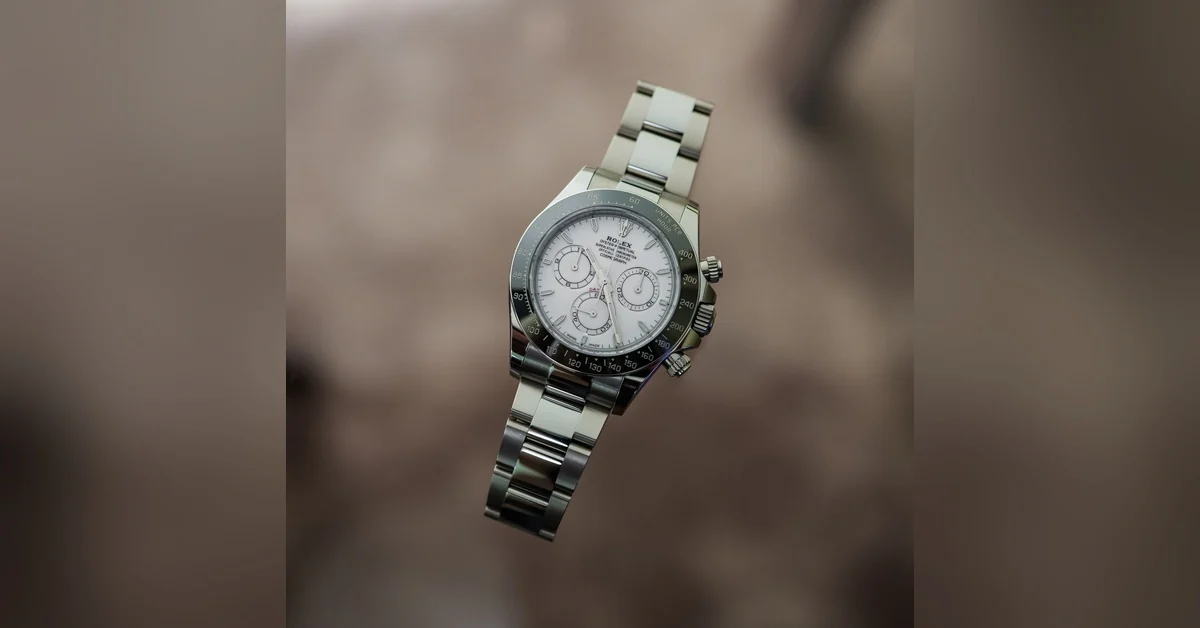
The steel Daytona is in a league of its own. It's the most wanted chronograph in the world and one of the hardest Rolexes to buy at retail. The white "Panda" dial typically commands more than the black. If value retention is your top priority, nothing in the current catalogue beats it.
Want to see how far Daytona demand can go? Four one-off Daytonas recently sold at auction for a combined $49.4 million, and the off-catalogue Daytona 126502 is already called a grail.
2. GMT-Master II "Pepsi" 126710BLRO: about +87%
- Last retail: $11,800
- Market: about $22,000 (WatchCharts)
Rolex discontinued the steel Pepsi in April 2026, and its price jumped. Discontinuation is one of the most reliable value drivers in the Rolex world, because supply stops while demand doesn't. Here's our full analysis: Rolex killed the Pepsi GMT. Should you still buy one?
3. GMT-Master II "Batman" 126710BLNR: about +47%
- Retail: $11,800
- Market: about $17,400
With the Pepsi gone, the Batman is now the most recognisable current steel GMT, and demand reflects that. The green "Sprite" 126720VTNR also holds well, at about $16,300 against $12,300 retail, roughly +33%. Our GMT-Master II bezel guide explains the difference between each colourway.
4. Submariner: about +25% to +45%
- 124060 No-Date: $10,050 retail; about $12,300 (WatchCharts) to $14,600 (Bob's Watches median)
- 126610LN Date: $11,350 retail; about $15,800 (Bob's Watches median)
- 126610LV green bezel: $11,900 retail; about $16,200 (Bob's Watches median)
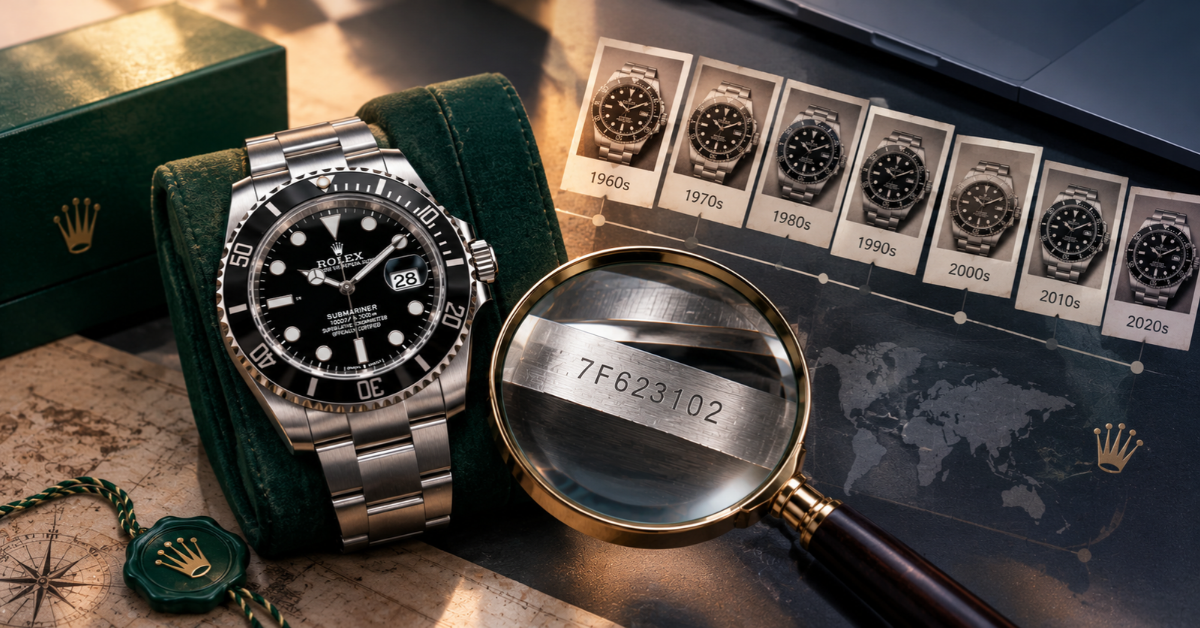
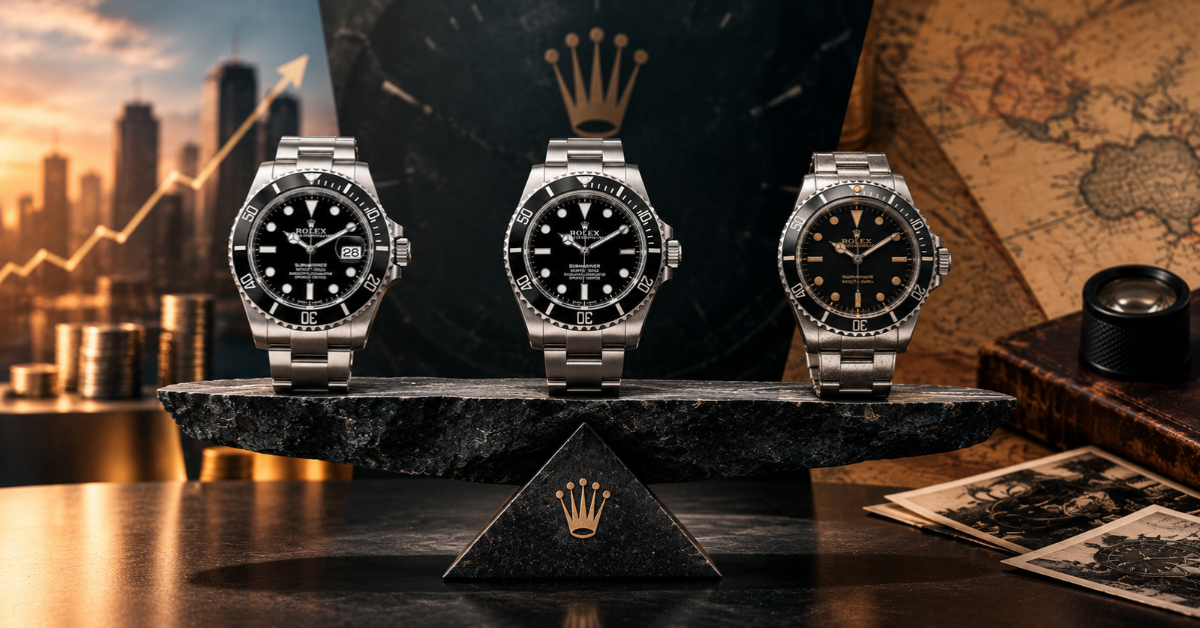
The Submariner is the most liquid Rolex there is, meaning it sells quickly and reliably. It doesn't carry the Daytona's huge premium, but it consistently trades above retail, which makes it one of the safest Rolex purchases if value matters to you.
5. Oyster Perpetual: depends heavily on the dial
The Oyster Perpetual is the most affordable Rolex, and its value retention varies more than any other model. WatchCharts puts the average Oyster Perpetual 41 ref. 124300 at about $9,000, but that average hides a big split. Bright, colourful dials like turquoise have sold at large premiums, while plain black and silver dials trade much closer to retail. Our Datejust vs Oyster Perpetual comparison explains the differences between the two entry-level Rolexes.
6. Datejust 41: about +10%
- 126300 (steel, smooth bezel): $8,950 retail; about $9,800 market (WatchCharts)
The Datejust is Rolex's best-selling family and is relatively easy to buy at retail. That's exactly why it carries little premium. Some configurations, especially two-tone and white gold bezel versions, can trade at or below retail. It's a wonderful watch to own, but not one to buy for value growth.
7. Explorer 40 ref. 224270: about +4%
- Retail: $8,350
- Market: about $8,700 (WatchCharts)
The Explorer has moved close to retail as supply has improved. That's bad news for flippers but great news for buyers, since it's one of the easiest steel sports Rolexes to get at a fair price.
8. Sky-Dweller: around retail
The Sky-Dweller, Rolex's annual calendar GMT, now trades close to its retail price. It's a brilliant, complex watch, but its size and price narrow its audience. Read our Sky-Dweller review for the full picture.
9. Day-Date and Other Precious Metal Models: often below retail
Gold and platinum Rolexes are where value retention falls apart. A yellow gold Day-Date 40 retails for around $48,000 to $50,000, yet pre-owned examples commonly sell for about $38,000 to $48,000. Recent gold price increases have widened the gap even more, because each retail rise makes pre-owned pieces look cheaper by comparison. Our Day-Date buying guide explains how to use that to your advantage as a buyer.
A Special Case: New Models Fall After the Hype
New Rolex models often launch at enormous premiums, then settle. The Land-Dweller is the clearest recent example. The Land-Dweller 40 traded close to $50,000 shortly after its 2025 launch, but WatchCharts data showed its market price falling nearly 40% over the following year. It still sells above its $16,450 retail price, but early buyers who paid the peak have lost a lot.
The lesson: if you're buying for value, avoid paying launch-hype prices for brand-new models.
What Makes a Rolex Hold Its Value?
Steel Beats Gold
Steel sports models hold value far better than gold ones. Steel Rolexes are what most buyers want, and they're harder to get at retail. Gold and platinum models are easier to buy, have a smaller pool of buyers and are more exposed to price swings. If you're curious why Rolex's steel is special, read what makes Oystersteel different.
Scarcity at Retail
The harder a watch is to buy from an authorised dealer, the higher its pre-owned premium. That's why the Daytona leads and the Datejust trails. Here's how Rolex allocation really works in 2026.
Discontinuation
When Rolex stops making a model, prices usually rise, as the Pepsi just showed. Discontinued dress models don't always follow the same path, though. The Cellini, discontinued in 2023, never developed the same following. See whether the Cellini was Rolex's most underrated watch.
Retail Price Increases
Rolex raises prices most years, which supports values over time. A watch bought several years ago at a lower retail price may now be worth more simply because new ones cost more. For the long view, see how much Rolex prices have gone up over the years and what collectors think of the latest increases.
Condition and Paperwork
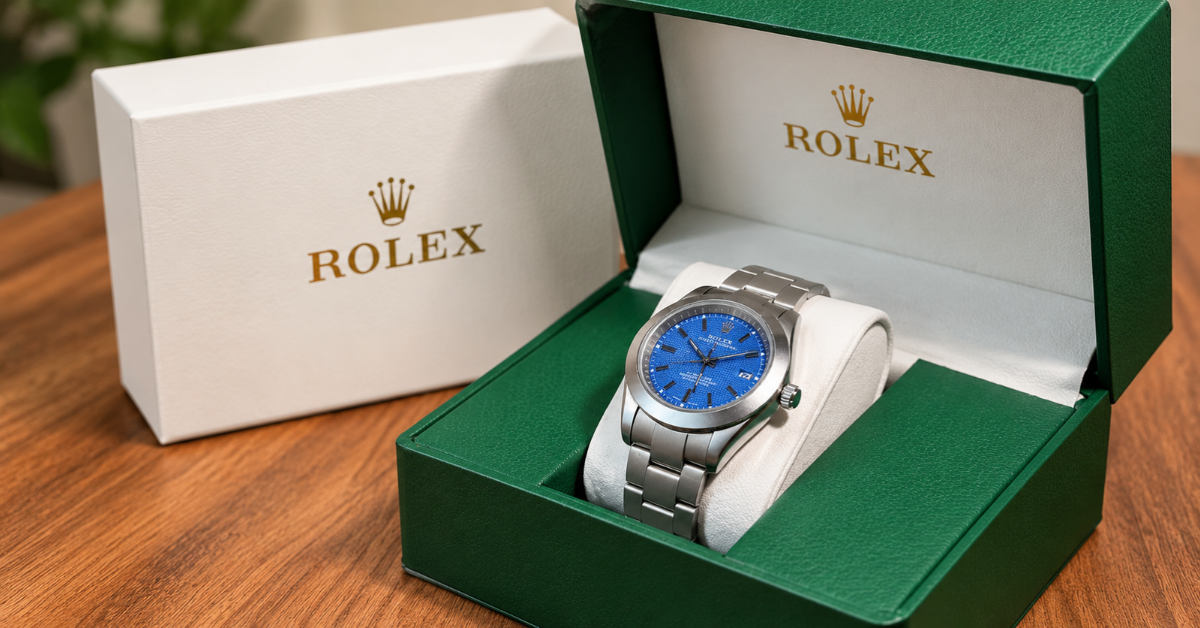
A watch with its original box, papers and no heavy polishing will always fetch more. Keep everything that came with your Rolex, and service it properly when needed. Here's what Rolex servicing actually costs.
Should You Buy a Rolex as an Investment?
Honestly, buy the Rolex you'll enjoy wearing, and treat value retention as a bonus.
A few Rolexes have made their owners real money, especially those bought at retail. But if you pay a big premium on the pre-owned market, much of the potential gain is already gone. Market prices also move with the economy, as the correction from the 2022 peak showed.
If you want the best chance of keeping your money, buy a steel sports model at or near retail, keep the box and papers, and hold it for the long term. If you love a Datejust, a Day-Date or a Sky-Dweller, buy it for what it is: a superb watch, not an asset.
And whatever you buy pre-owned, buy the seller first. Here are 7 signs your Rolex might be a fake.
Frequently Asked Questions
Which Rolex holds its value best?
The steel Rolex Cosmograph Daytona ref. 126500LN holds its value best, trading at roughly $32,100 against a $16,900 retail price, a premium of about 90%. The discontinued GMT-Master II Pepsi is close behind at around 87%.
Do all Rolex watches hold their value?
No. Steel sports models like the Daytona, GMT-Master II and Submariner generally trade above retail, while the Datejust and Explorer trade close to retail and many gold models, including the Day-Date, often sell below it.
Is the Rolex Submariner a good investment?
The Submariner holds its value well, typically trading about 25% to 45% above retail depending on the reference and data source. It's also one of the easiest Rolexes to resell quickly.
Do gold Rolex watches hold their value?
Generally less well than steel. Gold models are easier to buy at retail and have fewer buyers, so pre-owned prices often sit below retail. A yellow gold Day-Date 40 commonly sells for about $38,000 to $48,000 against a retail price of around $48,000 to $50,000.
Which Rolex is the worst investment?
Precious metal and gem-set models usually lose the most value, along with models bought at launch-hype prices. Paying a large premium for any newly released Rolex is the quickest way to lose money.
Does discontinuing a Rolex increase its value?
Often, yes. When Rolex discontinues a popular steel sports model, supply stops and prices typically rise, as happened with the GMT-Master II Pepsi in 2026. Less popular discontinued models don't always follow the same pattern.
The Bottom Line
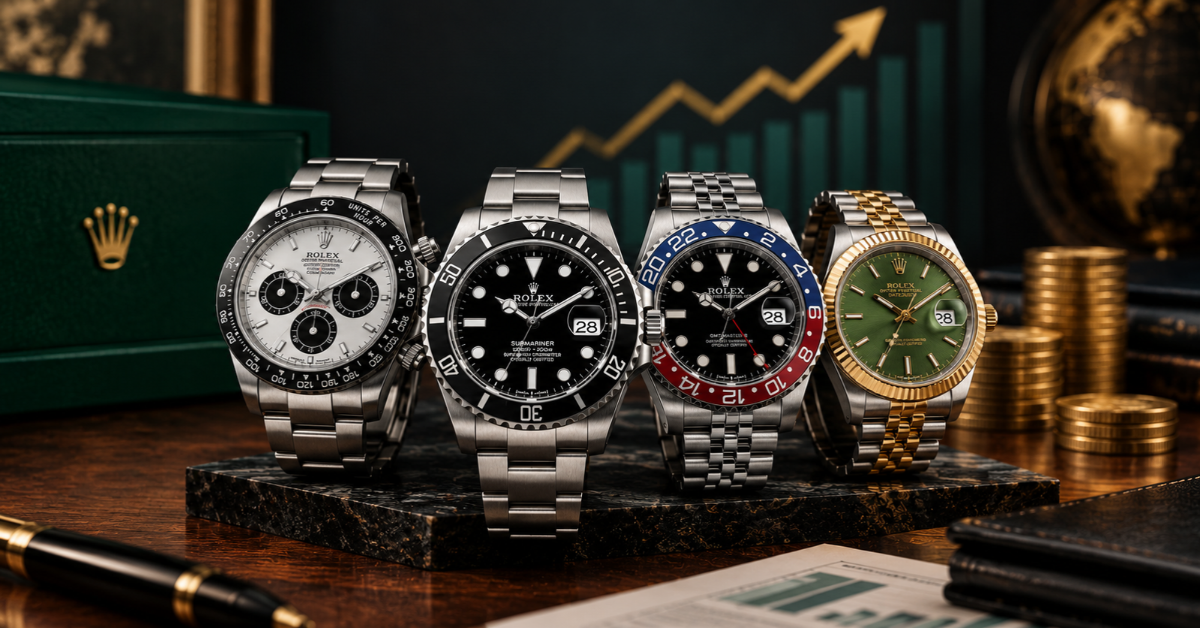
If you want a Rolex that holds its value, buy steel, buy sport and buy something Rolex makes too few of. The Daytona, GMT-Master II and Submariner lead the way, while gold and dress models are better bought for love than for money.
The smartest move of all? Buy at retail if you can, keep every piece of paperwork, and wear it. The best-performing Rolex is usually the one you never need to sell.
Senior Writer
James Whitfield
Senior watch writer with a decade covering Swiss horology, vintage markets and modern releases.