On this page
Worth stating clearly upfront: the Rolex Cellini was discontinued in 2023, replaced by the Rolex 1908, so it's no longer available new from any authorized dealer. That makes this a retrospective question rather than a current buying guide — and the answer, backed by multiple independent watch specialists who've called it exactly this, is yes. Produced from 1968 to 2023, the Cellini was Rolex's only collection never built around the Oyster case, crafted exclusively in gold or platinum, and it consistently got overlooked in favor of the brand's sportier, more recognizable references. It's now a finite collection on the pre-owned market, generally trading $6,000 to $29,000-plus depending on reference.
Most conversations about Rolex default to the Submariner, the Daytona, the Datejust — watches built around the Oyster case that defines the brand's public image. The Cellini never fit that story, and that's exactly why it spent 55 years being one of Rolex's most consistently underappreciated collections. Now that it's been discontinued and replaced by the Rolex 1908, it's worth looking back at what it actually offered — and whether that verdict of "underrated" holds up.
What Made the Cellini Genuinely Different
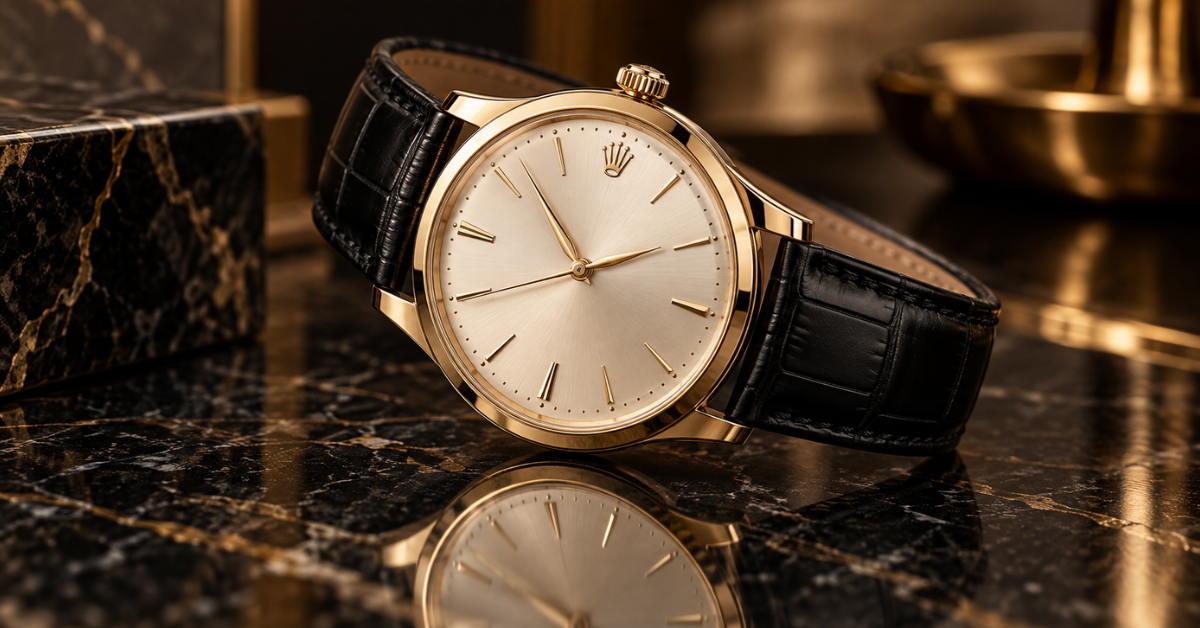
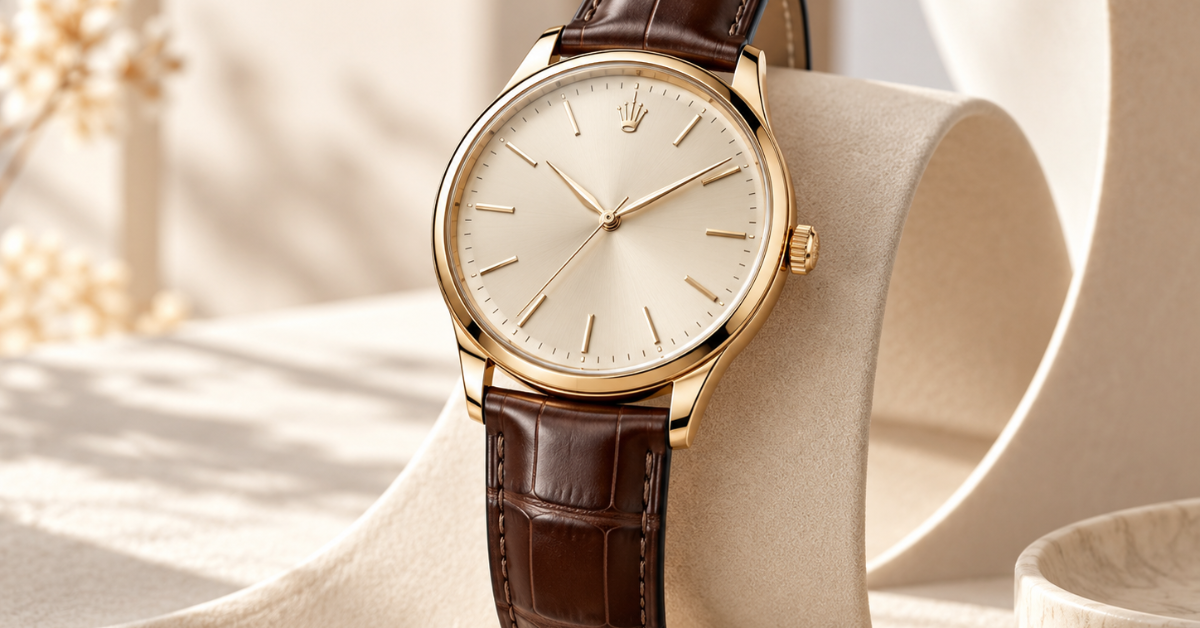
Named after Benvenuto Cellini, the Renaissance goldsmith and sculptor, the collection ran continuously from 1968 until its discontinuation in 2023 — 55 years of production, a genuinely long run for any watch line. What set it apart structurally within Rolex's own catalog was singular: it never used the Oyster case, the design language underpinning every other current Rolex. Every Cellini reference was crafted exclusively in precious metal — 18-karat white gold, Everose gold, or platinum — with no steel version ever produced across the collection's history. Worn typically on an alligator leather strap rather than an Oyster or Jubilee bracelet, it was built for formal settings, boardrooms, and black-tie occasions rather than the tool-watch versatility Rolex is best known for.
The Modern Lineup: Four Sub-Models, Real Complications
The modern Cellini generation, running from 2014 through the collection's 2023 discontinuation, standardized around a 39mm case across four distinct sub-models: the Cellini Time (Caliber 3132), Cellini Date (Caliber 3165), Cellini Dual Time (Caliber 3180), and Cellini Moonphase (Caliber 3195) — all COSC-certified movements, with 50 meters of water resistance suited to genuine daily wear in formal contexts rather than anything active.
The Moonphase deserves particular attention on its own merits. It marked Rolex's first moonphase complication in 60 years, featuring a blue enamel disc paired with a meteorite moon — a genuine horological event within Rolex's own history, not just an added complication for variety's sake. It's become the most collectible modern reference as a direct result, with well-preserved examples now trading above $22,000 on the pre-owned market.
Two Historical Footnotes Worth Knowing
Beyond the modern lineup, the Cellini name carried some genuinely unusual designs worth knowing about. The 1970s Cellini King Midas broke from Rolex's typical round case entirely, featuring an angular design — created in collaboration with Gérald Genta, the designer behind the Audemars Piguet Royal Oak and Patek Philippe Nautilus, a genuinely notable connection most casual observers never associate with Rolex. The Cellini Prince, produced from the early 2000s through the mid-2010s, used a rectangular case with a two-register dial — a sector-style hour display paired with a separate small seconds subdial — drawing directly on early-20th-century pocket watch tradition, finished with genuine guilloché dial work.
Why It Actually Got Overlooked
The reasons are straightforward once you look at them directly, and they say more about buyer psychology than any shortcoming in the watch itself. The Cellini was less sporty and less instantly recognizable than Rolex's headline references, typically worn on leather rather than the bracelet most casual observers associate with the brand at a glance. Most Rolex buyers, new and experienced alike, default to asking about the Submariner, Daytona, GMT-Master II, or Datejust — names that carry instant recognition even among people who don't follow watches closely. The Cellini simply never generated that same reflexive demand, despite offering genuine complications, real precious-metal construction, and COSC-certified movements throughout its run.
This isn't just an assessment we're making after the fact — multiple independent watch specialists have described the Cellini in almost identical terms, consistently flagging it as one of the more underrated corners of Rolex's entire catalog specifically because it never matched the brand's more famous sporting image.
Pricing: A Finite Collection Now
With no current retail price — the last official pricing before discontinuation ranged from roughly $15,200 for the Cellini Time up to $26,350 for the Moonphase — every Cellini is now a fixed, non-renewable supply. Pre-owned pricing generally spans $6,000 to $29,000-plus depending on the specific reference, complication, and condition, with the Moonphase commanding the clear premium at the top of that range and simpler vintage manual-wind examples available considerably lower.
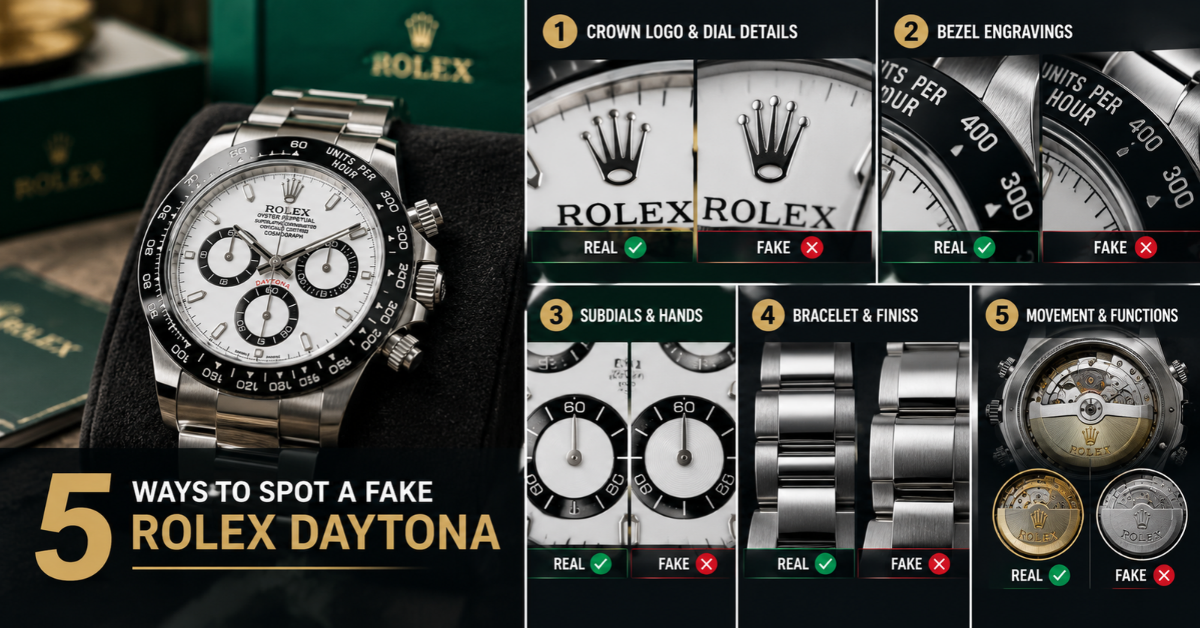
That discontinued status cuts both ways for buyers. It means genuine scarcity value — no more will ever be produced — but it also means added authentication caution matters more than usual. The pre-owned Cellini market includes both counterfeits and "Franken" watches, assembled from mismatched genuine parts across different references, so working with an established, reputable dealer who verifies movement serials and provides documented provenance is considerably more important here than on a current-production Rolex you could otherwise verify through an authorized dealer. Our field guide to spotting a fake Rolex covers authentication fundamentals worth applying to any pre-owned purchase, discontinued collections included.
How It Compares to the 1908
The Cellini's spiritual successor, the Rolex 1908, shares the same 39mm case sizing and precious-metal-only approach, but takes a notably different design direction — a transparent exhibition caseback, a new dedicated Caliber 7140 movement, and a cleaner dial with Arabic numerals, currently with no complications at all. Our full Rolex 1908 review covers exactly what changed and whether the 1908 makes a compelling case as the Cellini's replacement — worth reading directly against this piece if you're weighing a discontinued Cellini against Rolex's current dress-watch option.
So, Was It Underrated?
Yes, and the case holds up under real scrutiny rather than nostalgia. The Cellini offered genuine complications — including a real horological first with the Moonphase — precious-metal construction throughout its entire run, and COSC-certified movement quality, at prices that consistently undercut Rolex's Day-Date for buyers who wanted formal elegance without that flagship price tag. It got overlooked not because it lacked substance, but because it never fit the sporty, instantly recognizable image most people associate with the brand. Now that it's a finite, discontinued collection, that same overlooked status has become part of its appeal for collectors specifically drawn to genuine horological weight over broad recognition.
FAQ
Is the Rolex Cellini still in production? No — Rolex discontinued the entire Cellini collection in 2023, replacing it with the Rolex 1908, so every Cellini is now available only on the pre-owned market.
What made the Cellini different from every other Rolex collection? It was the only Rolex line that never used the Oyster case, crafted exclusively in precious metals — gold or platinum — with no steel version ever produced.
Why is the Cellini Moonphase so collectible? It marked Rolex's first moonphase complication in 60 years, featuring a blue enamel disc and a meteorite moon disc, making it a genuine horological milestone within the brand's own history.
How much does a pre-owned Rolex Cellini cost? Generally $6,000 to $29,000-plus depending on the specific reference and complication, with the Moonphase commanding the highest prices and simpler vintage examples available considerably lower.
Should I worry about fakes when buying a pre-owned Cellini? Yes — the discontinued Cellini market includes counterfeits and "Franken" watches assembled from mismatched genuine parts, making it especially important to buy from an established, reputable dealer who verifies provenance.
Conclusion
The Cellini's 55-year run ended in 2023 without much fanfare, which is fitting for a collection that spent most of its existence quietly overshadowed by Rolex's sportier names. What it actually offered — genuine complications, precious-metal construction, and a real place in the brand's horological history — holds up well in hindsight, and its status as a now-finite collection only sharpens the case that it deserved more attention while it was still possible to buy one new.
Senior Writer
James Whitfield
Senior watch writer with a decade covering Swiss horology, vintage markets and modern releases.