On this page
Yes, in the sense that waits still exist for specific references — but no, in the sense that a formal, numbered "waiting list" has never actually existed at Rolex. What exists is discretionary allocation: each authorized dealer tracks interested buyers informally and decides who receives limited stock based on purchase history and relationship, not sign-up order. The good news for 2026 specifically: a survey of over 1,400 verified buyer reports puts the median wait across the full catalog at just 1 to 3 months, a dramatic improvement from the effectively indefinite waits common in 2022. Steel Daytona references remain the clear exception, still commonly requiring years.
"Is there still a Rolex waiting list" is actually two different questions wearing one sentence, and conflating them is where most of the confusion online comes from. There's never been a literal list — no clipboard, no numbered queue, no position you can check. But there has absolutely been a real, often multi-year wait for specific watches, and that part is genuinely still true for a narrower slice of the catalog than it used to be. Here's the honest 2026 picture, broken down by what's actually changed.
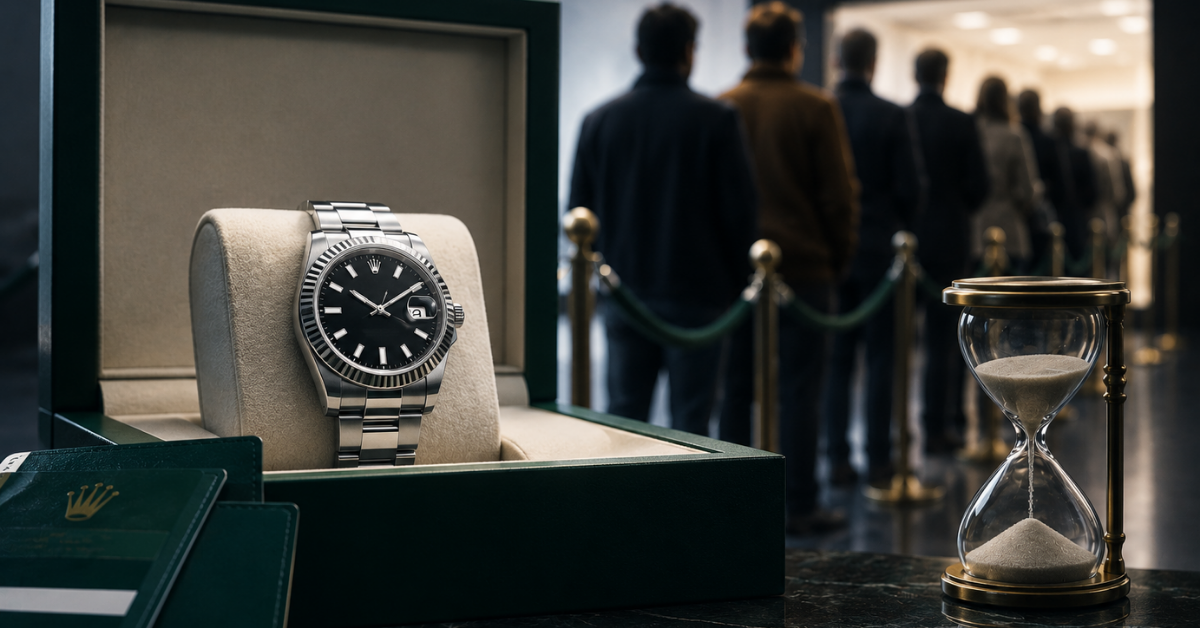
There Was Never a Literal "List"
Worth clearing up first, because it shapes everything else: Rolex headquarters doesn't manage buyer queues, doesn't tell dealers who gets which watch, and has no centralized system tracking your position anywhere. What each authorized dealer actually runs is closer to an interest database — a record of who's asked about a specific reference, used at that dealer's discretion to decide who gets the next available piece.
That's an important distinction, not a technicality. It means being "on the list" at one dealer means nothing at another, unless they're part of the same retail group. It means asking politely and leaving your name doesn't guarantee anything close to a chronological outcome. And it means the entire system runs on relationship and purchase history rather than the order people showed up — closer to how a sought-after restaurant seats regulars ahead of walk-ins than to any kind of formal queue.
What's Actually Changed by 2026
This is the part that gets lost in outdated commentary still circulating from the 2021–2022 shortage years. A 2026 survey of more than 1,400 verified buyer reports found the median wait across Rolex's full catalog now sits at just 1 to 3 months — a significant change from 2022, when authorized dealers routinely quoted indefinite waits even for entry-level steel sports models.
That improvement lines up with production data too. Rolex made roughly 1.1 million watches in 2025, its second consecutive annual production decline and the first back-to-back drop the brand has seen in over two decades, according to industry tracking from Morgan Stanley and LuxeConsult. Supply actually contracting slightly while wait times simultaneously shrink tells you something specific: demand has cooled meaningfully since the speculative peak of 2021–2022, not that Rolex suddenly flooded the market.
What's Genuinely Easy to Buy Right Now
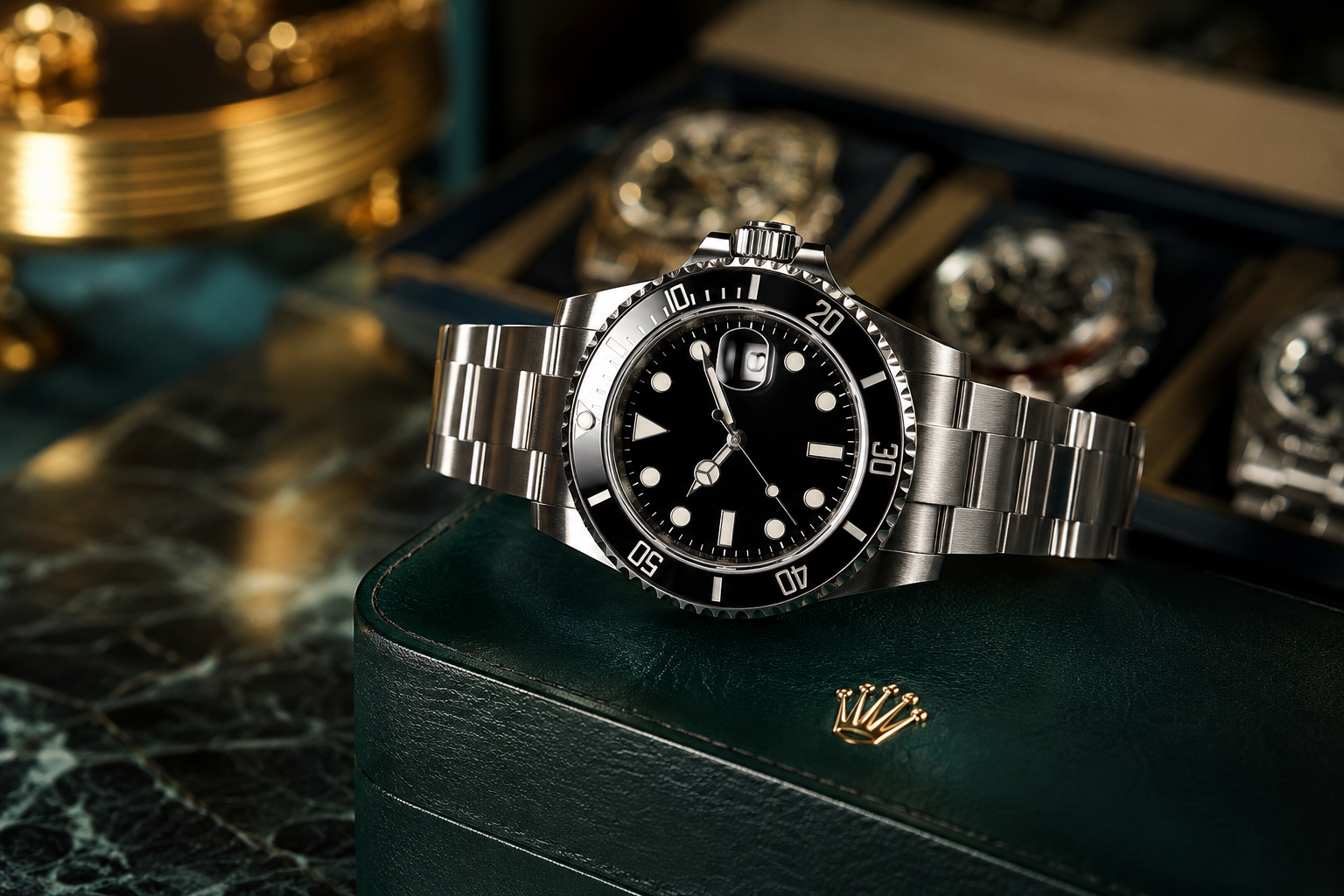
For a meaningful chunk of Rolex's catalog, walking into an authorized dealer and leaving with a watch the same day or within a few months is realistic again in 2026 — something that would have sounded optimistic in 2022. The Explorer, standard Datejust configurations in both 36mm and 41mm, the Oyster Perpetual, and even some Submariner references now see notably shorter waits than they did a few years ago.
If you're comparing entry points into the brand, our Datejust vs Oyster Perpetual comparison covers two of the models specifically cited as easier 2026 entry points, alongside what actually differs between them beyond just availability.
What's Still Genuinely Hard
The exception, and it's a real one: steel Daytona references remain difficult, often requiring years of patience and, realistically, an existing purchase history with a specific dealer before you're even seriously considered. Since the steel Daytona moved to a ceramic bezel in 2016, demand has consistently outpaced what dealers receive. The 2023 lineup refresh didn't meaningfully change that dynamic, and specific configurations — the exotic LeMans Daytona reference 126529LN chief among them — have generated waits so long that dealers reportedly won't even add a buyer's name unless they've already demonstrated significant spend at that specific store.
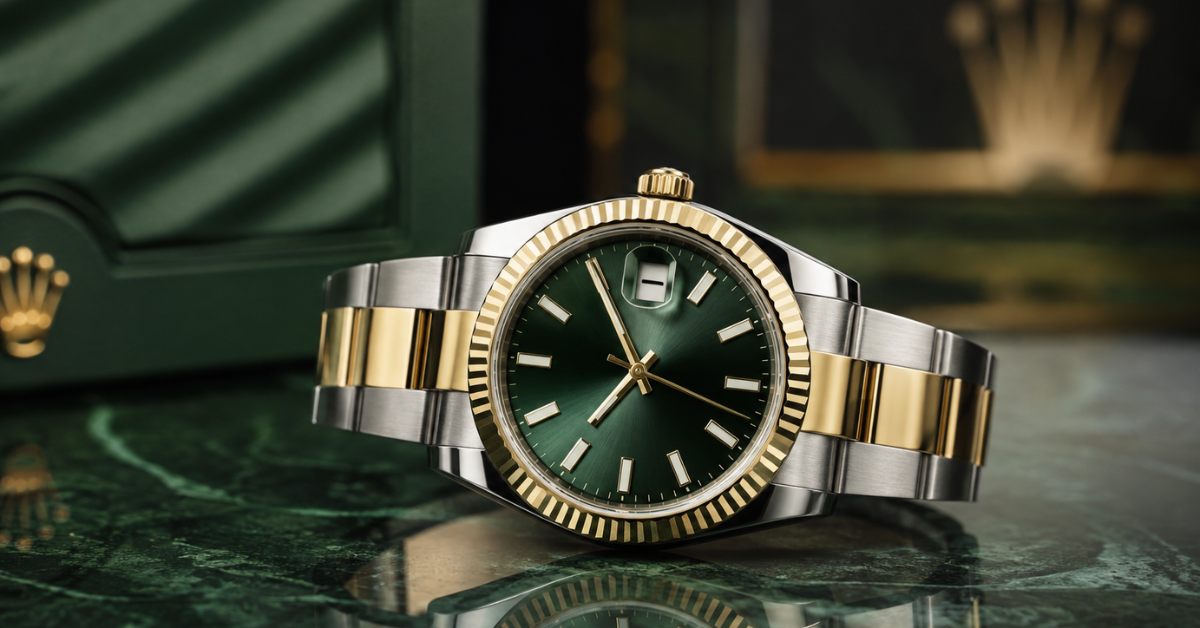
It's also worth knowing that "easy" collections still have hard exceptions within them. A standard steel Datejust 41 might be genuinely available within a few months, while a specific configuration — say, a mint green dial paired with a fluted bezel and Jubilee bracelet — can require real patience even within an otherwise accessible reference family. Our Rolex reference numbers decoded guide is useful here, since being able to read exactly which configuration you're being quoted a wait for helps you understand whether you're chasing a genuinely scarce variant or a widely available one.
How Allocation Actually Works, Practically
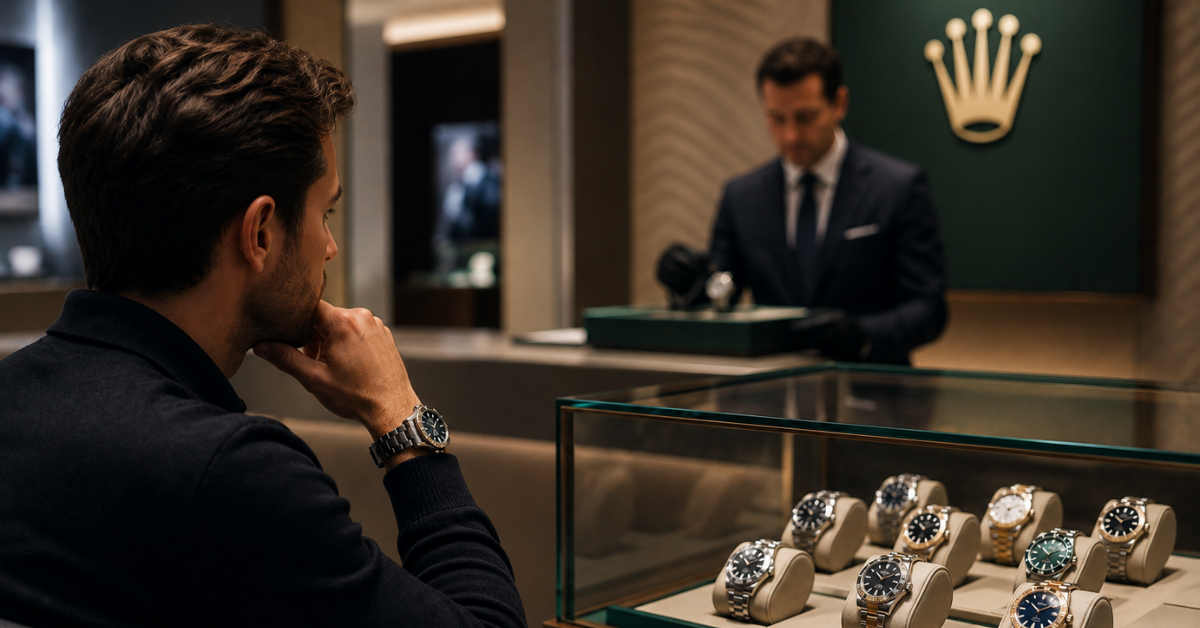
Since there's no chronological queue to game, the practical strategy that actually works is different from what most first-time buyers expect. Dealers allocate limited stock to reward demonstrated loyalty — repeat purchases, a track record of buying rather than flipping, and a genuine relationship with a specific store or salesperson. Spreading your name across a dozen different authorized dealers generally performs worse than concentrating your relationship-building at one or two stores you can realistically visit and buy from repeatedly.
This system rewards patience and consistency over persistence and volume. Showing up once, leaving your name, and checking back sporadically rarely moves you meaningfully up an informal list that isn't chronological to begin with.
The Secondary Market Alternative
For buyers who want a specific hard-to-get reference now rather than eventually, the secondary market remains the reliable way to skip allocation entirely — at a price. The good news specifically for 2026: premiums have compressed significantly compared to the 2021–2022 speculative bubble, when popular references traded 80% to 120% above retail. Our coverage of Submariner pricing by reference breaks down exactly where current premiums sit across specific references, useful context if you're weighing immediate pre-owned availability against an authorized-dealer wait.
Whichever route you take, verifying authenticity matters more, not less, once real money and genuine scarcity are both in play. Our field guide to spotting a fake Rolex covers the checks worth running before any secondary-market purchase.
So, Is It Still a Thing?
The honest answer: the informal system that creates real waits absolutely still exists, and for a handful of specific references — steel Daytona chief among them — that wait is still measured in years. But the blanket "everything Rolex has a years-long waitlist" narrative that dominated 2021–2022 commentary is genuinely outdated for most of the current catalog. If your goal is a Datejust, Explorer, or Oyster Perpetual, 2026 buying looks a lot more like a normal luxury purchase than a multi-year campaign.
FAQ
Does Rolex have an official waiting list? No — there's no formal, centralized, or numbered queue. Each authorized dealer maintains its own informal interest database and allocates watches at its own discretion based on relationship and purchase history.
How long is the wait for a Rolex in 2026? A 2026 survey of over 1,400 verified buyer reports found a median wait of 1 to 3 months across the full catalog, though specific hyped references like the steel Daytona can still take years.
Which Rolex models are easiest to buy right now? The Explorer, standard Datejust configurations, the Oyster Perpetual, and some current Submariner references are commonly cited as having notably shorter waits in 2026 than in previous years.
Why is the steel Daytona still so hard to get? Demand has consistently outpaced dealer allocation since the model's 2016 ceramic bezel update, and specific limited configurations like the LeMans Daytona have generated waits so long that dealers often only consider buyers with an existing purchase history at that store.
Is buying pre-owned a good way to skip the wait? Yes, and 2026 makes it more attractive than in past years — secondary-market premiums have compressed significantly compared to the 2021–2022 peak, though verifying authenticity remains essential regardless of where you buy.
Conclusion
There was never a literal Rolex waiting list to begin with — just an informal, relationship-driven allocation system that's existed for years under different names. What's genuinely changed by 2026 is how long that system typically makes you wait: down to a median of 1 to 3 months across most of the catalog, with the steel Daytona standing as the clear, well-documented exception. Knowing which category your target watch falls into is the real difference between a reasonable purchase timeline and an unnecessarily long one.
Senior Writer
James Whitfield
Senior watch writer with a decade covering Swiss horology, vintage markets and modern releases.