On this page
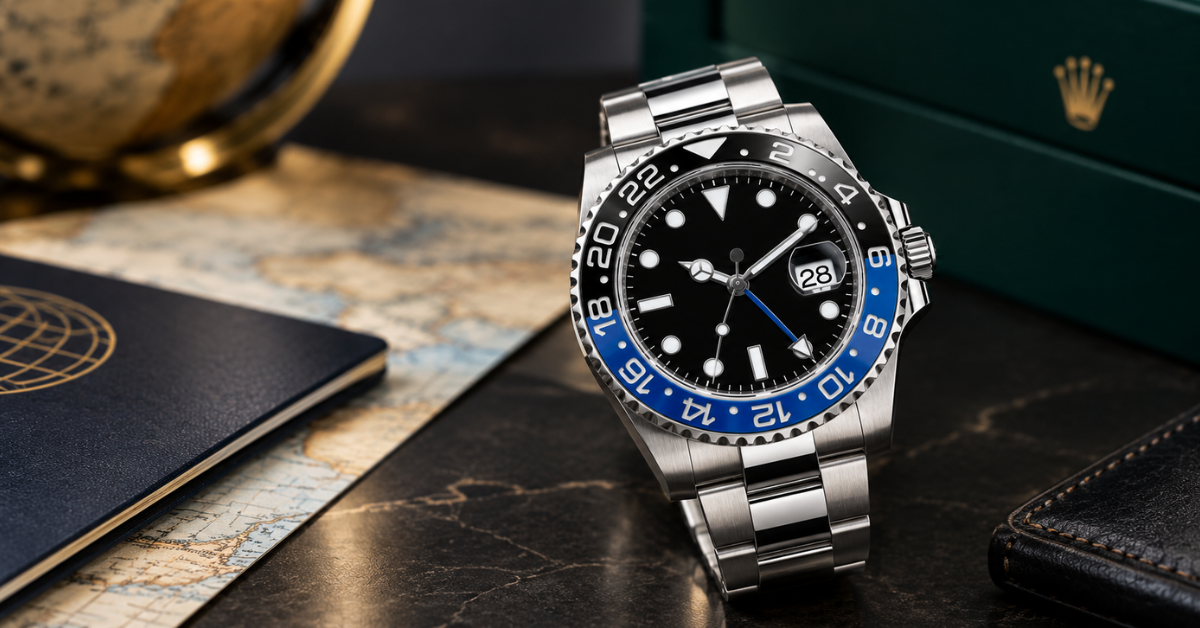
A modern Rolex reference number breaks down into three parts: the first few digits identify the model family (126710 is a GMT-Master II), the final digit before any letters indicates case material (0 for steel, 6 for platinum, and various codes for gold and two-tone combinations), and any trailing letters describe the bezel or dial — LN for black, LV for green, BLNR for the blue-and-black "Batman." Reference numbers have evolved from 4 digits on vintage models to 5 digits through the late 1970s–2000s, to 6 digits on everything currently produced.
A Rolex reference number looks like a random string of digits until you know what you're looking at — and then it stops looking random at all. It's a genuine coded system, not a serial number, and it's engraved on every Rolex specifically so the watch can identify itself: model, case material, and often bezel configuration, all compressed into a handful of characters.
This is a practical breakdown of how to actually read one, with real examples rather than an abstract chart, because the chart alone rarely sticks.
Reference Number vs. Serial Number
Worth clearing up first, since these two get confused constantly. The reference number identifies the model — what watch it is, in what material, with what configuration. The serial number identifies the individual watch — a unique identifier tied to a specific production date, similar in concept to a VIN on a car. Both are engraved on the case, but they answer different questions. This guide is entirely about the reference number.
How Long Has This System Been Around
Rolex reference numbers have grown over the decades as the catalog has grown more complex, and the number of digits alone tells you roughly when a watch was made:
- 4-digit references — vintage Rolex, generally produced before the late 1970s
- 5-digit references — the transitional era, roughly late 1970s through the early 2000s
- 6-digit references — the modern standard, used on everything Rolex currently produces, introduced in the early 2000s
That transition to six digits wasn't cosmetic — it coincided with real mechanical changes across the catalog, including solid end-link bracelets, ceramic Cerachrom bezels, and thicker "maxi" cases on many models. If you're holding a 5-digit reference, you're very likely looking at a watch with different bracelet and bezel construction than the 6-digit version of the same model line today.
Reading the Model Family Digits
The first portion of a modern reference — typically the first three or four digits — identifies which model line you're looking at. A few concrete examples make this click faster than any abstract rule:
- 126710 — GMT-Master II
- 126610 — Submariner Date
- 116500 — Daytona (5-digit predecessor to the current 6-digit reference)
- 126234 — Datejust
Once you recognize a family's leading digits, spotting the model becomes close to instant, even before you've worked out the material or bezel details.
Decoding the Material Code
On modern references, the final digit (before any letters) generally indicates the case material. Some confirmed, verifiable examples: reference 126718 is a GMT-Master II in full 18-karat yellow gold, while 228239 is a Day-Date in full 18-karat white gold — both precious-metal watches, distinguished from each other by that final digit. Steel references consistently end in 0, and platinum references consistently end in 6.
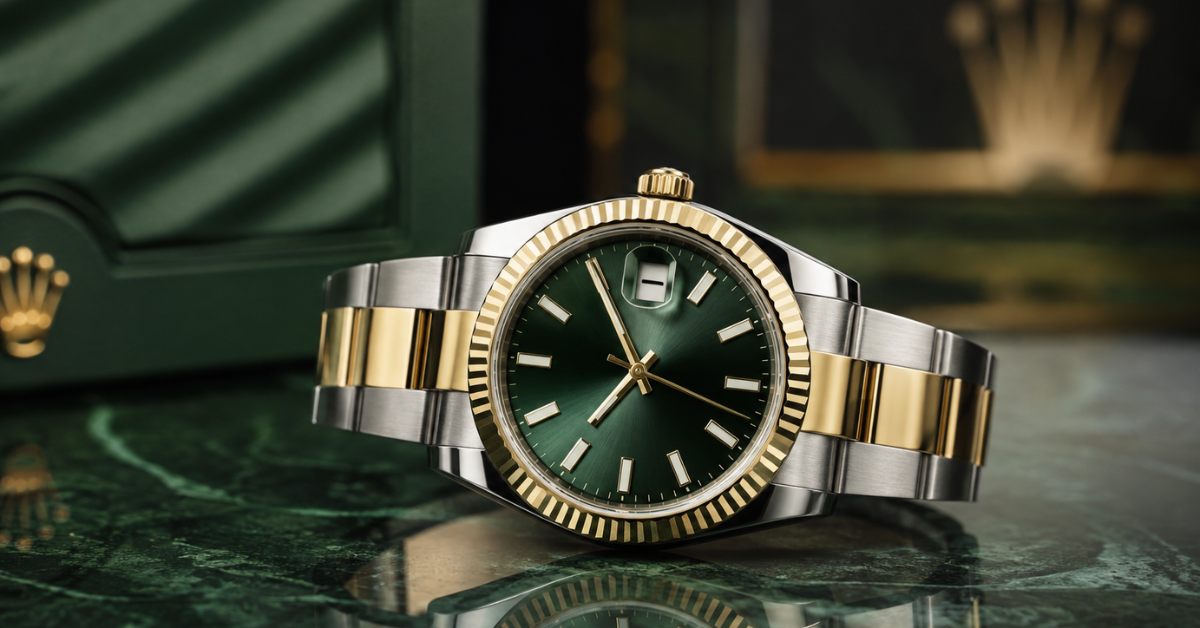
Two-tone "Rolesor" combinations — steel paired with gold — use a range of digits between those two extremes, and the exact digit varies depending on which gold color is paired with the steel. Reference 126234, for instance, is a steel Datejust with a white gold fluted bezel, while 126333 pairs steel with yellow gold. The safest way to confirm a specific two-tone configuration is to cross-reference the exact number against Rolex's own catalog or a verified reference database, since the two-tone codes are less universally consistent than the steel and platinum ones.
Reading the Bezel and Dial Suffix
Many modern references end in letters rather than stopping at the digits, and these letters describe the bezel or dial configuration — arguably the part collectors reference most often in casual conversation:
- LN — black bezel (Lunette Noire)
- LV — green bezel (Lunette Verte) — this is the suffix behind the nickname "Hulk" on certain Submariner references
- BLNR — a two-tone blue-and-black ceramic bezel, best known from the GMT-Master II "Batman"
- BLRO — the red-and-blue "Pepsi" bezel, also on the GMT-Master II
- CHNR — a two-tone brown-and-black ceramic bezel, known as "Root Beer"
Put together, a reference like 126710BLNR tells you almost everything at a glance: a GMT-Master II, in the modern 6-digit generation, with the blue-and-black Batman bezel — all from ten characters.
The Hidden Four Digits After the Dash
Here's a detail most casual buyers never encounter: the full, complete Rolex reference actually includes four more digits after a dash, following the format XXXXXX-XXXX. These final four digits distinguish dial color, bracelet type, or other configuration details within the same base reference. Unlike the case and bezel codes, there's no publicly documented key for interpreting this final segment — it's largely internal to Rolex's own cataloging, which means the six-digit-plus-letters format is genuinely the practical limit of what you can decode yourself without Rolex's internal records.
Where to Actually Find the Number
The reference number is engraved on the case between the lugs, and on most current references it's visible at the 12 o'clock side once the bracelet is removed. This is also one of the physical checks worth running if you're evaluating a watch's authenticity — a reference number that doesn't correspond to any real Rolex configuration, or doesn't match the watch's other visible features, is a genuine red flag. Our field guide to spotting a fake Rolex covers that check alongside eight others worth running before you buy.
Why This Actually Matters for Buyers
Beyond satisfying curiosity, being able to read a reference number gives you a real practical edge. It lets you verify that a bezel color, dial configuration, or case material matches what a seller is actually claiming — a mismatch between the reference number and the watch's visible features is one of the more reliable signs something's wrong, whether that's an honest listing error or something worse. It also helps you understand what you're comparing when two watches look similar but carry different numbers; a steel Datejust and a two-tone Datejust can look closer in photos than their reference numbers would suggest.
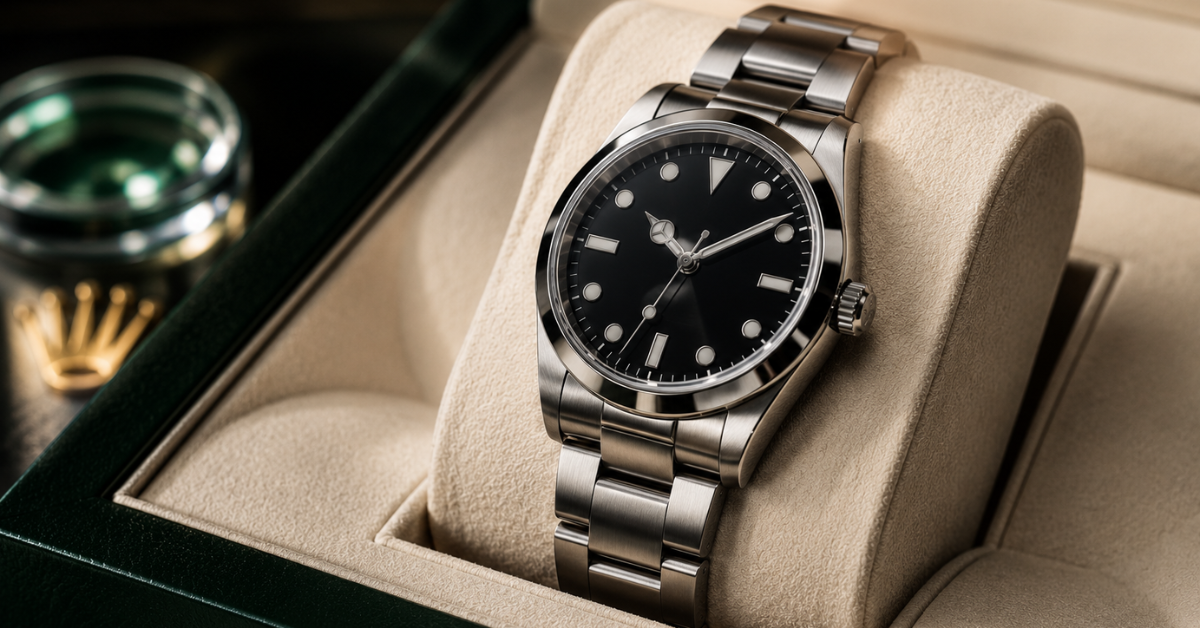
If you're specifically researching the Explorer, its own reference numbering follows this same logic — worth reading alongside our full Rolex Explorer history and model breakdown if that's the model you're decoding.
FAQ
What's the difference between a Rolex reference number and serial number? The reference number identifies the model, material, and configuration, while the serial number is unique to that individual watch, similar to a car's VIN — both are engraved on the case but answer different questions.
How many digits does a modern Rolex reference number have? Six digits, sometimes followed by letters indicating bezel or dial configuration — vintage references used 4 digits, and references from the late 1970s through early 2000s typically used 5.
What does the last digit of a Rolex reference number mean? On most modern references it indicates case material — 0 for Oystersteel and 6 for platinum are the most consistent, while gold and two-tone combinations use other digits that vary somewhat by model.
What does "LN" or "LV" mean at the end of a Rolex reference? These are bezel suffix codes — LN indicates a black bezel and LV a green bezel, among several other letter combinations describing bezel color and material.
Where is the reference number engraved on a Rolex? Between the lugs, generally visible at the 12 o'clock position once the bracelet is removed.
Can decoding the reference number help spot a fake Rolex? Yes — a reference number that doesn't match a real Rolex configuration, or doesn't correspond to the watch's visible features, is a genuine authentication red flag worth investigating further.
Conclusion
Once you know the structure — model family digits, a material code, and bezel or dial suffix letters — a Rolex reference number stops being a string of noise and starts reading like a compact description of the exact watch in front of you. It won't tell you everything (that hidden four-digit dial code after the dash keeps some secrets even from experienced collectors), but it gets you most of the way there, and it's one of the more useful skills you can pick up before buying, new or pre-owned.
Senior Writer
James Whitfield
Senior watch writer with a decade covering Swiss horology, vintage markets and modern releases.