On this page
- What the Rolex Price Data Actually Shows
- Why Rolex Prices Stalled
- 1. There are more Rolex watches for sale than ever
- 2. Retail keeps climbing while resale sits still
- 3. Rolex Certified Pre-Owned is pulling buyers away from the open market
- Which Rolex to Buy Now — and Which to Wait On
- The clear winners: gold Rolex watches
- The surprise bargain: the Land-Dweller
- The everyday steel watches: buy, but shop around
- The ones that ignore the market: Daytona and Pepsi
- How to Buy a Rolex in a Flat Market
- New, CPO or pre-owned?
- Five rules for buying right now
- Should you buy a Rolex as an investment?
- The Verdict: Is Now the Time to Buy a Rolex?
- FAQ
- Are Rolex prices going down?
- Is now a good time to buy a Rolex?
- Why did Rolex prices stall?
- Will Rolex prices go up again?
- Is Rolex Certified Pre-Owned worth the extra cost?
- Which Rolex models are cheapest to buy pre-owned right now?
Rolex prices on the pre-owned market have stalled. They rose just 0.5% in Q3 2026 by WatchCharts' count and slipped 0.2% by Chrono24's, while listings hit record highs. For buyers, that makes now a good time to buy most pre-owned Rolex models, especially gold pieces and recent releases that have already lost their premium. Hyped steel sports models like the Daytona are the exception: they still trade well above retail.
For three years, the Rolex conversation had one direction: up. Waitlists, flippers, steel sports watches selling for double retail before the stickers came off.
That story just hit a wall. Rolex prices on the secondary market posted their smallest quarterly gain in almost two years this autumn, and one major marketplace actually recorded a small drop. Meanwhile, Rolex raised retail prices again — twice.
So is this the dip you've been waiting for? Or the start of something worse? I've spent the past few weeks going through the latest market reports, dealer listings and resale data, and the honest answer is more useful than a simple yes or no. It depends on which Rolex you want, and where you buy it.
What the Rolex Price Data Actually Shows
Here's the headline number. Rolex resale prices rose just 0.5% between July and September, according to Morgan Stanley's quarterly watch report built on WatchCharts data. That's the brand's smallest gain in seven quarters.
Chrono24 paints an even softer picture. Its Rolex index fell 0.2% over the same quarter, though prices are still up 6% over twelve months.
And here's the part that stings for Rolex fans: almost everyone else did better.
Here's how the major brands moved in Q3 2026, based on WatchCharts data:
- A. Lange & Söhne: +4.4%
- Chopard: +3.8%
- Vacheron Constantin: +3.1%
- Patek Philippe: +2.6%
- Cartier: +2.4%
- Audemars Piguet: +1.2%, in line with the overall market
- Omega: +0.6%
- Rolex: +0.5%
A stall isn't a crash, though. The average pre-owned Rolex still sold at a 10.3% premium over retail at the end of September. Only Patek Philippe did better. Every brand outside the Big Three trades at a discount of 25% or more.
So Rolex hasn't lost its pull. It's just stopped running ahead of everyone else.
Why Rolex Prices Stalled
Three things are happening at once. None of them is a disaster on its own, but together they've put a lid on resale values.
1. There are more Rolex watches for sale than ever
This is the big one. Across the six largest brands, the value of watches listed for sale rose 19.3% year over year to a record high. New listings outpaced sales for every one of them.
Rolex's absorption rate (how fast listed watches actually sell) dropped to its lowest point since late 2024. Buyers haven't disappeared. Sellers just showed up faster.
2. Retail keeps climbing while resale sits still
Rolex raised prices by roughly 7% on average in January — the seventh January increase in a row — then added a second, gold-only increase on June 1.
When retail goes up and resale doesn't, the premium shrinks from both ends. It's a slow squeeze, not a collapse. If you want the long view on how far list prices have moved, our breakdown of how much Rolex prices have gone up over the years puts it in context, and what collectors really think of the latest increases shows how buyers are reacting.
3. Rolex Certified Pre-Owned is pulling buyers away from the open market
Rolex's own CPO program had its best quarter yet: about 10,300 watches and an estimated $229 million in sales, up 61% from a year earlier. Those buyers pay a median 23.1% more than they would at a reputable independent dealer — for the two-year guarantee and the Rolex name on the paperwork.
That's money that would otherwise have gone through grey-market dealers. Fewer buyers there means flatter prices there.
One more bit of perspective. Back in January, market analysts at Coronet noted Rolex resale prices had already climbed back to roughly where their pre-pandemic growth trend would have put them anyway. A brand sitting on its long-term trend line has less room to sprint. Honestly, a pause was overdue.
Which Rolex to Buy Now — and Which to Wait On
"Rolex prices" is really dozens of different markets wearing the same crown. A flat average hides the fact that some models are getting cheaper while others haven't budged.
Here's where the main models sit right now, from best buy to hardest to justify:
- Gold Submariner Date ($50,900 retail): trading in the mid-$40,000s, below retail. Buy pre-owned now.
- Day-Date and other gold models: many gold references sell below retail. Buy pre-owned now.
- Land-Dweller: its market premium is down nearly 40% in a year. A strong buy window.
- Explorer 36 / 40 ($7,900 / $8,350 retail): close to retail, with supply improving. Buy at retail if your dealer has one.
- Oyster Perpetual ($6,200–$7,050 retail): plenty of supply, little hype. Buy at retail or lightly used.
- Steel Submariner (from $10,050 retail): still a premium, but negotiable. Fine to buy; just don't overpay.
- GMT-Master II Pepsi (discontinued): around $22,000 after the April discontinuation. Buy only if it's the one, and don't expect a dip.
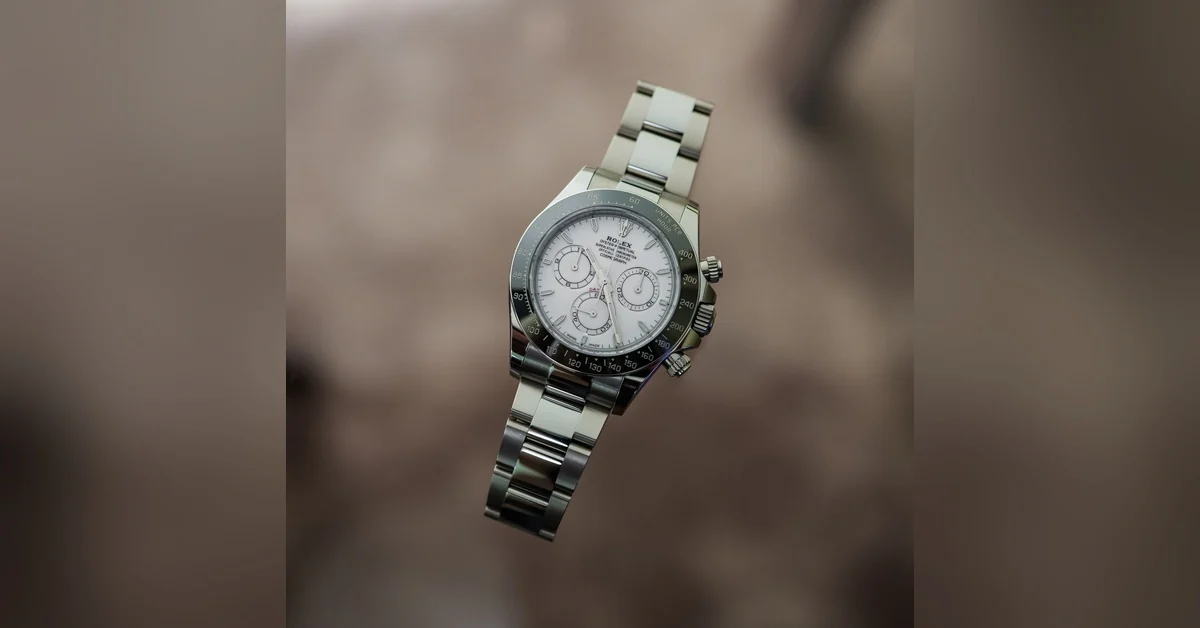
- Steel Daytona: still roughly 90% over retail. Wait, or get on your dealer's list.
Figures from our own model guides linked below and the Everest Journal Q3 report. Prices move — always check current listings before you buy.
The clear winners: gold Rolex watches
If you've always wanted a gold Rolex, this is honestly the best setup in years. Retail on gold went up twice this year, yet resale didn't follow. A full yellow-gold Submariner Date was trading in the mid-$40,000s against a $50,900 retail price back in June.
That's a pre-owned discount of $5,000 or more on a watch that was barely worn. The complete Day-Date buying guide covers which generation and metal to target, and our Rolex Jubilee Gold explainer is worth reading before you commit to a new Day-Date.
The surprise bargain: the Land-Dweller
Rolex's newest family arrived with plenty of hype — and a big premium to match. That premium has fallen nearly 40% in a year. Early adopters paid for the excitement. You don't have to.
The everyday steel watches: buy, but shop around
The Oyster Perpetual, Explorer and Datejust aren't hype watches, and that's exactly why they're easy to buy right now. More supply means more choice and more room to negotiate on lightly used pieces.
Not sure between the two classics? Our comparison of the Datejust and Oyster Perpetual breaks down what the extra money buys. For the Explorer, the real question is size — see Explorer 36 vs 40.
The ones that ignore the market: Daytona and Pepsi
Steel Daytonas still sell for roughly 90% above retail. A stalled average doesn't touch them, because demand for them never depended on the average in the first place.
The Pepsi is different again. Rolex discontinued it this April, and discontinued references rarely get cheaper. If you're waiting for a Pepsi bargain, you'll probably be waiting a long time.
How to Buy a Rolex in a Flat Market
A slower market is a buyer's market — but only if you use the extra time well. Here's how I'd approach it.
New, CPO or pre-owned?
There are three ways to buy, and each suits a different kind of buyer.
New from an authorized dealer. You pay full retail and get the five-year warranty and an untouched watch. It's the best route for the Explorer, Oyster Perpetual and Datejust, where retail and resale sit close together anyway.
Rolex Certified Pre-Owned. You pay about 23% more than at an independent dealer, but you get a two-year Rolex guarantee on a dealer-checked watch. It's for buyers who want zero doubt.
A reputable pre-owned dealer. Prices are often at or below retail, and you get the widest choice. This is where the real deals are on gold models, the Land-Dweller and recent releases.
CPO is the safest route, no question. But you're paying a lot for that comfort. We dig into whether it's worth it in Rolex Certified Pre-Owned: Is the Premium Worth Paying?
Five rules for buying right now
- Use the inventory to your advantage. With record listings, you can compare several examples of the same reference. Ask for full photos, box and papers, and service history before you talk price.
- Negotiate on anything at or below retail. Dealers sitting on more stock than usual have more reason to move it. A polite offer 5–8% under asking isn't rude in this market.
- Don't let price beat condition. A cheap watch with a replaced dial or polished-out case is no bargain. Check the 7 warning signs of a fake Rolex before any private deal, and run the serial through our Rolex serial number lookup.
- Budget for servicing. A pre-owned bargain that needs a full overhaul isn't a bargain anymore. Our guide to what Rolex servicing really costs shows what to set aside.
- Look past the obvious models. Some of the best value sits in references nobody's queuing for. Start with 5 Rolex references dealers don't want you to know about.
Should you buy a Rolex as an investment?
Short answer: not right now, and not most models.
When the average resale premium is around 10% and dealers take a cut when you sell, most Rolex watches won't make you money in the short term. Buy one because you'll wear it. If it holds value — and Rolex usually does better than anyone outside Patek and AP — treat that as a bonus. Our ranking of which Rolex holds its value best shows exactly which models still protect your money.
The Verdict: Is Now the Time to Buy a Rolex?
For most buyers, yes. Not because Rolex prices are collapsing — they aren't — but because the market finally stopped working against you.
There's more choice than there's been in years. Sellers are more willing to talk. Gold models and recent releases have already shed their premiums, and someone else absorbed that loss.
The one thing a stalled market won't do is hand you a cheap steel Daytona. Some watches live on their own planet, and that's fine. Everything else? Take your time, compare a few examples, and buy the one you'll actually wear.
And if Rolex raises prices again in January — as it has for seven years running — today's "stalled" prices may look pretty good by spring.
FAQ
Are Rolex prices going down?
Pre-owned Rolex prices have stalled rather than fallen. They rose 0.5% in Q3 2026 according to WatchCharts and dipped 0.2% according to Chrono24, but they're still up about 6% over twelve months. Some models, especially gold references and the Land-Dweller, now sell below retail.
Is now a good time to buy a Rolex?
Yes, for most models. Record inventory gives buyers more choice and more room to negotiate, and gold models and recent releases are trading below retail. The exceptions are hyped steel models like the Daytona, which still sell well above retail.
Why did Rolex prices stall?
Supply grew faster than demand. Listings across the biggest brands hit a record high, up about 19% year over year, while Rolex kept raising retail prices and its Certified Pre-Owned program drew buyers away from independent dealers.
Will Rolex prices go up again?
Retail prices almost certainly will — Rolex has raised them every January for seven years. Pre-owned prices depend on whether the current surplus of listings gets absorbed. Most analysts see a healthy market with limited room for fast gains.
Is Rolex Certified Pre-Owned worth the extra cost?
It is if peace of mind matters most. CPO watches cost a median 23% more than the same reference from a reputable independent dealer, but they come with a two-year Rolex guarantee and are checked by an authorized dealer.
Which Rolex models are cheapest to buy pre-owned right now?
Gold models offer the biggest discounts. A full yellow-gold Submariner Date has traded in the mid-$40,000s against a $50,900 retail price, and the Land-Dweller's market premium has fallen nearly 40% in a year.
Senior Writer
James Whitfield
Senior watch writer with a decade covering Swiss horology, vintage markets and modern releases.