On this page
The cheapest current-production Rolex is the Oyster Perpetual 28, reference 276200, retailing around $6,200. Stepping up in case size raises the price only modestly — $6,300 for the 31mm, $6,400 for the 34mm, and $6,750 for the 36mm — since what separates these watches is size and complexity, not build quality. If you're open to pre-owned or vintage, the real floor drops considerably lower: pre-owned Datejust and Explorer references trade under $7,000, and vintage manual-wind Oyster Precision models from the 1950s through 1970s start near $3,000.
"Cheapest Rolex" gets a surprising number of different answers online, mostly because people are quietly comparing different markets against each other — new retail, pre-owned, and vintage all have genuinely different floors. This sorts out which number actually applies to which situation, starting with the real current-production answer.
The Actual Answer: Oyster Perpetual 28, Reference 276200
At new retail, the cheapest Rolex currently in production is the Oyster Perpetual 28, reference 276200, priced around $6,200. It's the smallest case size in Rolex's Oyster Perpetual line and the only current model with no complications whatsoever — no date window, no rotating bezel, nothing beyond hours, minutes, and seconds.
That simplicity is precisely why it's the cheapest, not because it's built to a lower standard. The Oyster Perpetual runs the same Oystersteel construction, the same Perpetual self-winding rotor, and the same Superlative Chronometer certification found on Rolex references costing many times more. Our Rolex Perpetual Calibre explainer covers what that certification and movement technology actually involve — worth understanding, since it's genuinely the same engineering standard across this entire size range, not a stripped-down version of it.
The Full Size Ladder
Stepping up in case size within the Oyster Perpetual line raises the price only incrementally, since size is really the only variable changing:
- 28mm (ref. 276200) — around $6,200
- 31mm — around $6,300
- 34mm — around $6,400
- 36mm — around $6,750
- 41mm — priced similarly to the 36mm, generally in the same upper range
The smaller sizes (28mm through 34mm) run Rolex's Calibre 2232, while the 36mm and 41mm run Calibre 3230 — both delivering a 70-hour power reserve and full Superlative Chronometer certification. For a deeper comparison of how the Oyster Perpetual's design philosophy differs from Rolex's other accessible model, our Datejust vs Oyster Perpetual comparison covers that decision directly.
Why 2026 Specifically Matters Here
This year adds real context worth knowing before you buy. Rolex is marking the 100th anniversary of the Oyster case — patented in 1926, with the Perpetual rotor added five years later — and the Oyster Perpetual has drawn unusually strong attention as a result, including a slate of new "candy" dial colors introduced this year, pastel pink and beige among them.
That attention has a real price consequence worth understanding: the new candy pink 41mm, reference 134300, has already been spotted trading on the secondary market for $11,000 to $15,000 — more than double its retail price, for what is mechanically the simplest watch Rolex makes. It's a useful reminder that "cheapest Rolex" and "easiest Rolex to actually buy at that price" aren't always the same question. If you're weighing whether current allocation makes buying at retail realistic, our coverage of Rolex waitlists in 2026 covers how availability has shifted this year across the catalog, Oyster Perpetual included.
If You're Open to Pre-Owned: The Floor Drops Further
New retail isn't the only market worth considering, and it's genuinely not the cheapest one. Pre-owned Datejust and Explorer references regularly trade under $7,000, with some clean examples considerably lower depending on condition and specific reference. The Datejust and Lady-Datejust together account for more than half of all sub-$10,000 Rolex transactions industry-wide, reflecting just how much of the accessible Rolex market runs through pre-owned rather than new. If you're comparing specific reference numbers across the pre-owned market, our Rolex reference numbers decoded guide helps you verify exactly what a listing is actually offering.
The True Floor: Vintage
For the lowest genuine entry point into Rolex ownership, vintage is where the real floor sits. Manual-wind Oyster Precision models from the 1950s through the 1970s start near $3,000 — genuinely a Rolex in every sense that counts, just smaller, hand-wound rather than automatic, and without a date function. These aren't compromised watches so much as simpler ones from an earlier era of the brand, and for buyers specifically prioritizing the lowest possible entry cost over modern conveniences like a date window or automatic winding, they're worth serious consideration.
Should You Actually Buy the Cheapest Option?
Worth asking directly: is the Oyster Perpetual 28 actually the right first Rolex, or just the cheapest one? For buyers who want the smallest, most minimalist Rolex possible, yes — genuinely. For buyers who specifically want a date function or a larger case, stepping up to the 36mm or 41mm Oyster Perpetual, or considering a pre-owned Datejust instead, may better match daily use without a dramatic price jump. The good news across this entire range: you're not sacrificing build quality or movement technology at any point along it, only size and complications.
Buying With Confidence
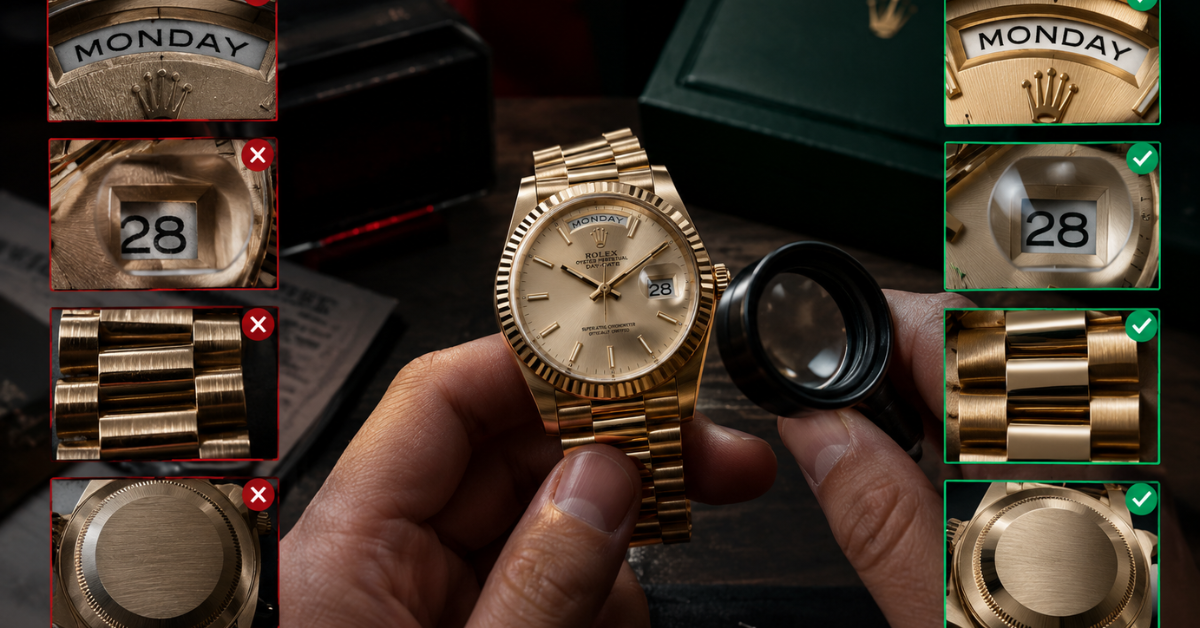
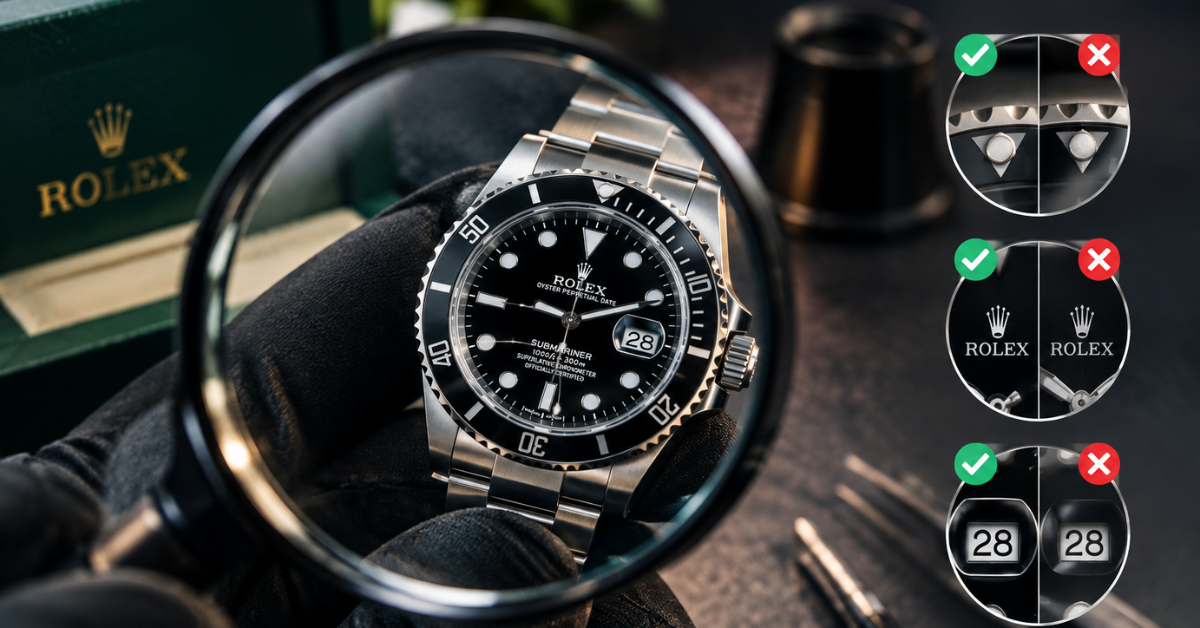
Given how frequently entry-level Rolex references get counterfeited specifically because they're the most commonly purchased, buying from an authorized source removes any authentication risk. Our field guide to spotting a fake Rolex covers the checks worth running before any pre-owned purchase, regardless of which reference you're considering.
FAQ
What is the cheapest new Rolex you can buy right now? The Oyster Perpetual 28, reference 276200, retailing around $6,200, making it the least expensive watch in Rolex's current catalog.
Is the cheapest Rolex lower quality than more expensive models? No — the Oyster Perpetual uses the same Oystersteel construction, Perpetual rotor, and Superlative Chronometer certification as Rolex's pricier references; the difference is complexity and size, not build standard.
Can you find a Rolex for under $5,000? Not new, but pre-owned Datejust and Explorer references can trade under $7,000, and vintage manual-wind Oyster Precision models from the 1950s through 1970s start near $3,000.
Why is the candy pink Oyster Perpetual trading so far above retail? It's a genuinely new 2026 dial color introduced for the Oyster case's 100th anniversary, and strong collector demand has pushed secondary-market prices to more than double the retail figure.
Is the Oyster Perpetual a good first Rolex? Yes, for buyers who want the simplest, most minimalist entry point into the brand — though buyers who want a date function should also consider the Datejust at a similar price point.
Conclusion
The honest answer to "cheapest Rolex" depends on which market you're actually shopping. New retail, it's the Oyster Perpetual 28 at roughly $6,200, built to the exact same standard as everything above it. Pre-owned, Datejust and Explorer references push that floor lower. Vintage, genuine Rolex ownership starts near $3,000. None of those numbers is more "correct" than the others — they're just answering slightly different questions about what kind of Rolex ownership you're actually looking for.
Senior Writer
James Whitfield
Senior watch writer with a decade covering Swiss horology, vintage markets and modern releases.